The Centre of Gravity
In most living rooms, the coffee table occupies the geometric centre of the principal seating arrangement. Everything else — the sofas, the armchairs, the rug beneath — orients around it. This positioning makes it one of the most influential pieces of furniture in terms of how the room reads and functions, yet it is often treated as an afterthought or bought with minimal consideration.
Understanding what a coffee table actually does in the room — functionally, visually, and proportionally — leads to better decisions and a more coherent result.
Getting the Scale Right
Coffee table sizing follows a principle that is frequently ignored: the table should be roughly two thirds the length of the sofa it faces. A table that is too short leaves visual gaps on either side and feels insufficient; a table that is too long crowds the conversation area and makes it difficult to move around.
Height is equally important. The standard is to match the seat height of the sofas around it, give or take 5 cm. Tables that sit significantly lower feel distant and difficult to reach; tables that sit significantly higher create an awkward perch effect that disrupts the visual flow of the seating group.
See also: How Nervous Patients Can Feel Comfortable During Dental Treatment in Greenford
Material and Character
The coffee table is a surface that attracts daily contact — drinks, books, remotes, feet, the occasional meal — so its material needs to be robust enough for real life. An oak coffee table handles this well: the natural hardness of the wood resists minor impacts, any marks that do develop tend to blend into the grain pattern rather than appearing as stark blemishes, and the warmth of the finish coordinates with the wide range of soft furnishing colours that living rooms tend to accumulate over time.
Glass and acrylic surfaces read as lighter and can make small rooms feel more open, but they show fingerprints immediately and are unforgiving of dropped cups. Metal and marble offer genuine durability and visual interest but add weight — both physical and visual — that not every room can absorb. The honest conversation about material is a conversation about the actual daily use of the table, not the best-case scenario.
Storage Integration
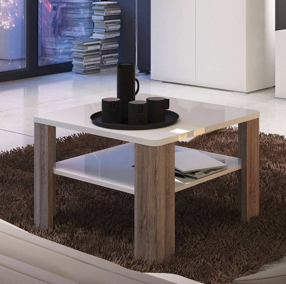
A coffee table with no storage at all is a missed opportunity in most living rooms. Shelves below the main surface are useful for books, remote controls, and coasters — items that would otherwise end up on the main surface and create clutter. Drawers offer concealed storage for small items you want accessible but not visible. Ottoman-style tables with internal storage go further, accommodating blankets and larger items that living rooms tend to accumulate.
The trade-off is visual weight: storage coffee tables tend to look more substantial than simple slab or frame designs. In a living room with high ceilings and generous proportions, this reads as considered; in a smaller room, it can feel oppressive. The right level of storage integration depends on the room as much as on the preference for tidiness.
Styling the Surface
The upper surface of a coffee table is one of the more visible styled areas in the home — visible from the sofa, from the entryway, and in any photograph of the room. The traditional approach involves a tray to group smaller items, a couple of books, a small plant or vase, and a single candle. This combination works because it provides variety in height, texture, and type without becoming disorganised.
A completely bare surface looks unfinished and can make the table feel provisional, while an over-dressed surface clutters the room visually and makes the table itself hard to use. The goal is purposeful styling — objects that are there for a reason, arranged to look composed rather than accumulated.
Shape and Room Type
Rectangular tables suit rectangular rooms and straight-edged sofas; they are the most common format and the most practical for surface area. Round tables work exceptionally well in smaller rooms or where the furniture arrangement is less formal — there are no sharp corners to navigate, and the circular form softens the visual dynamic of the seating group. Oval tables offer the surface area of a rectangular design with the softer profile of a round one.
Unusual shapes — hexagonal, asymmetric, or composed of nested smaller tables — work best in rooms with strong architectural character or in spaces that already have a distinctive aesthetic. In a more conventional living room, they tend to call attention to themselves in a way that disrupts rather than enhances the overall feel.